Home : Fireplace : Fire Starters for Wood Stoves & Fireplaces
Fire Starters for Wood Stoves & Fireplaces
Using a fire starter is one of the easiest ways to start a fire in a wood stove. Consistently get your fire going quick with proven fire starters designed for
wood stoves, fireplaces, fire pits, and campfires. Instead of struggling with paper and kindling,
a dependable fire starter provides a strong flame that ignites firewood fast.
Trusted options like Rutland Firestarter are designed to burn hot and long enough to get a strong fire going with less effort.
Safely start quick fires using natural fatwood fire starters, convenient Fire Blox starter logs, easy-to-use Timberlite fire starter squares,
and extra-long fireplace matches. Fire starters are the quick and consistent ignition secret to reducing frustration during cold weather
or when wood is damp.
The right fire starter makes lighting a wood stove on a winter morning or starting a cozy fireplace fire in the evening faster, safer, and more reliable.
Fire starters help ignite fires with less smoke and less hassle-especially in cold weather when wood can be damp.
Use them in wood stoves, pellet stoves, fireplaces, fire pits, and camping setups for quick, consistent ignition. These fire starters work well in fireplaces, wood stoves, fire pits, and charcoal grills.
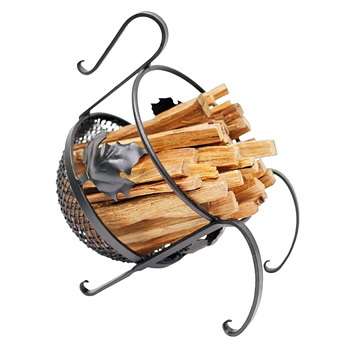
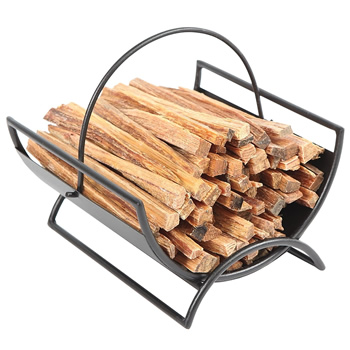
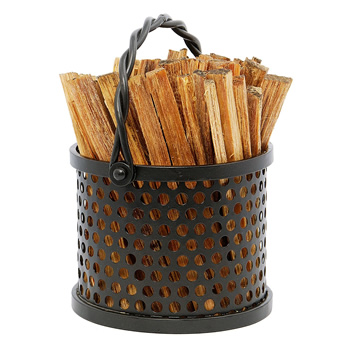
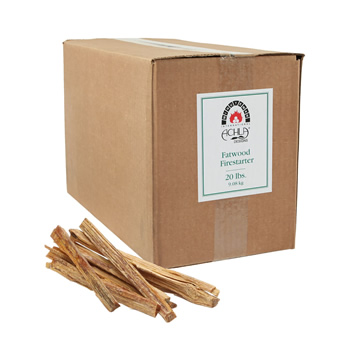
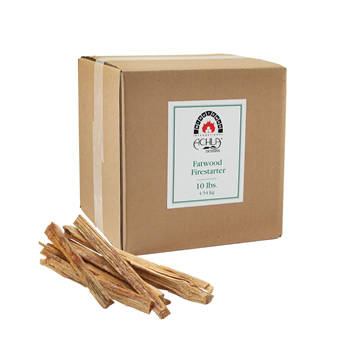
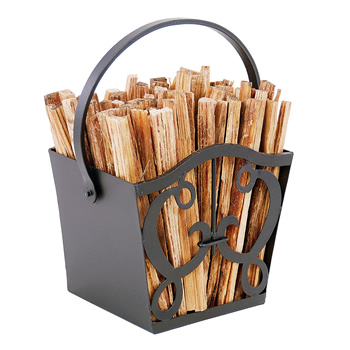
Fatwood Fire Starters
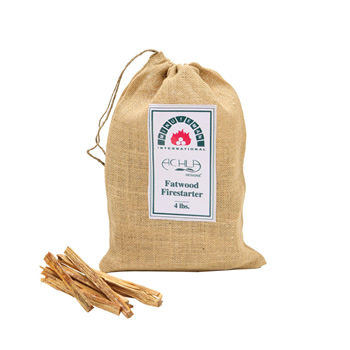
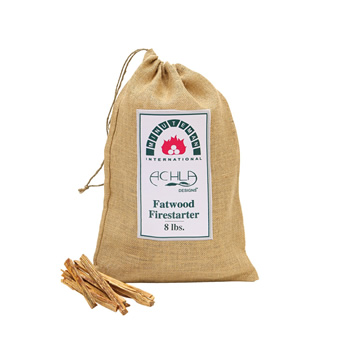
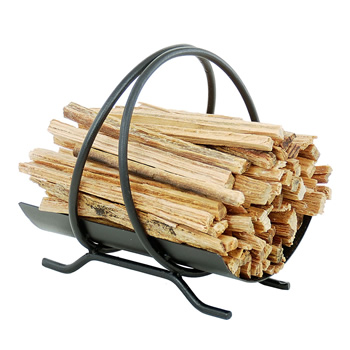
Fatwood is a natural fire starter made from resin-rich pine wood.
Because it contains concentrated natural resins, fatwood lights easily
and burns hot enough to ignite firewood quickly. Many people prefer natural fire starters because they catch quickly and burn clean, which is why Fatwood is considered one of the best fire starting products for wood stoves you can have on hand by many homeowners.
Fatwood fire starters are popular for fireplaces, wood stoves, and outdoor fire pits.
Fire Starter Logs
Products like Fire Blox fire starter logs provide a convenient way
to start fires without kindling. These compact starter blocks burn long enough
to ignite larger pieces of firewood.
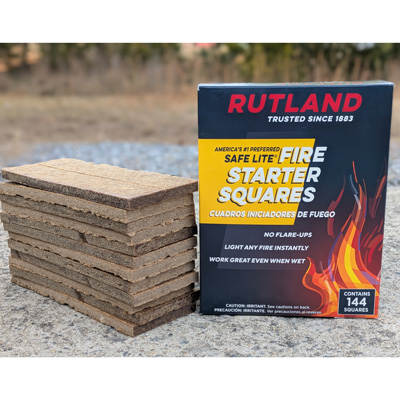
Timberlite Fire Starter Squares
Fire starter squares burn hot enough to ignite firewood quickly. Timberlite fire starter squares are small, lightweight fire starters
that ignite quickly and burn steadily. They are commonly used for fireplaces,
wood stoves, grills, and camping fires.
Long Fireplace Matches
Extra-long fireplace matches make lighting fires safer by keeping your hands
farther away from the flame compared to standard matches.
They are ideal for fireplaces, wood stoves, and candles.
Common Uses for Fire Starters
Lighting wood stove fires
Starting fireplace fires
Pellet stove startup
Outdoor fire pits
Camping and campfires
Charcoal grills and smokers
Frequently Asked Questions About Fire Starters
What is the easiest way to start a fire in a wood stove?
The fastest and easiest to start a fire in a wood stove is by using a fire starter such as fatwood,
fire starter squares, or fire starter logs. Place one fire starter under small pieces of
kindling and light it. Once the kindling ignites, gradually add larger pieces of firewood.
Fire starters burn hot and long enough to ignite wood quickly without needing excessive
paper or kindling.
What are fatwood fire starters?
Fatwood fire starters are natural pieces of pine wood that contain a high concentration of
resin. This resin allows fatwood to ignite easily and burn hot. Because fatwood is a natural
material, it is a popular choice for lighting fires in wood stoves, fireplaces, fire pits,
and campfires without chemical starters.
Are fire starters safe for fireplaces and wood stoves?
Yes. Fire starters such as fatwood, fire starter blocks, and starter squares are designed
specifically for fireplaces, wood stoves, and outdoor fire pits. They burn cleanly and help
ignite firewood quickly. Always follow the manufacturer instructions and avoid using
flammable liquids to start fires.
Do fire starters work with damp firewood?
Fire starters can help ignite firewood that is slightly damp by producing a hotter and longer
flame than paper or kindling alone. However, properly seasoned firewood will always burn
more efficiently and produce less smoke and creosote buildup in your chimney.
How many fire starters should you use?
Most fires only require one fire starter along with a small amount of kindling. For larger
fires or outdoor fire pits, two fire starters may be used to help ignite larger pieces of
wood more quickly.
Natural Fire Starters vs Fire Starter Logs
Both natural fire starters and fire starter logs are designed to make lighting fires easier,
but they work in slightly different ways. Choosing the right option depends on how you prefer
to start fires in your wood stove, fireplace, or fire pit.
Natural Fire Starters
Natural fire starters-such as fatwood fire starter sticks-are made from
resin-rich pine wood. The natural resin allows fatwood to ignite quickly and burn hot enough
to light kindling and firewood without the need for paper or chemical starters.
Because they are made from natural wood, fatwood fire starters are a popular choice for
wood stoves, fireplaces, campfires, and outdoor fire pits. Many people prefer them because
they are simple, dependable, and easy to use.
Fire Starter Logs and Starter Squares
Fire starter logs and fire starter blocks-such as starter squares or compact fire starter
blox-are designed to burn longer than natural kindling. These starters provide a steady flame
that helps ignite larger pieces of firewood, especially when starting a fire in a cold stove
or fireplace.
Fire starter logs are convenient because they are easy to light and require very little
kindling. Many homeowners use them for fireplaces, wood stoves, fire pits, charcoal grills,
and camping fires.
Which Fire Starter Is Best?
Both natural fire starters and fire starter logs are effective for starting fires quickly.
Natural fatwood starters are ideal when you want a simple, natural way to light a fire,
while starter blocks and fire starter logs can provide a longer burn to help ignite
larger pieces of firewood.
No matter which type you choose, fire starters help make lighting wood stoves and fireplaces
faster, easier, and more reliable.
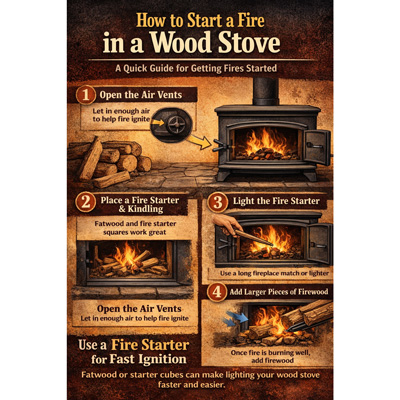
How to Start a Fire in a Wood Stove
Starting a fire in a wood stove is easier when you use a fire starter along with dry
kindling and properly seasoned firewood. Fire starters burn hot and long enough
to ignite kindling quickly, making them one of the easiest ways to light a wood
stove or fireplace.
Step 1: Open the Air Vents
Before lighting a fire, fully open the stove's air vents or draft controls.
Proper airflow helps the fire starter ignite kindling and firewood more quickly.
Step 2: Place a Fire Starter in the Firebox
Place one fire starter-such as fatwood, fire starter squares, or starter logs-
in the center of the firebox. Fire starters provide a strong flame that makes
starting a fire much easier than using paper alone.
Step 3: Add Kindling
Place several small pieces of dry kindling above or around the fire starter.
Kindling should be small enough to catch fire quickly when the starter is lit.
Step 4: Light the Fire Starter
Use a long fireplace match or lighter to ignite the fire starter. The flame
should quickly ignite the kindling and begin building the fire.
Step 5: Add Firewood
Once the kindling is burning well, add larger pieces of firewood. As the fire
builds, you can adjust the stove's air controls to maintain a steady burn.
Tips for Starting Fires More Easily
Use dry, seasoned firewood whenever possible
Keep kindling small and loosely stacked
Use a reliable fire starter instead of newspaper
Allow proper airflow when lighting the fire
Using a quality fire starter can make starting fires in wood stoves, fireplaces,
and fire pits faster, cleaner, and far less frustrating.
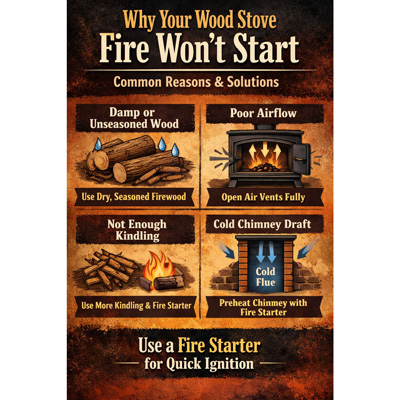
Why Your Wood Stove Fire Won't Start
If your wood stove fire struggles to start or keeps going out, the problem is
usually related to airflow, cold chimney temperature, stove and flu pipes clogged and not properly cleaned, damp firewood, or not enough heat to ignite the
fuel. Using a reliable fire starter along with dry kindling can make starting
a fire much easier and more consistent.
Damp or Unseasoned Firewood
One of the most common reasons a fire won't start is damp firewood.
Freshly cut wood contains a high amount of moisture and can be difficult
to ignite. Firewood should typically be seasoned for at least 6-12 months
before burning. Even with seasoned wood, a fire starter helps create
enough heat to ignite the kindling quickly.
Not Enough Kindling
Large logs will not ignite easily without a strong base of kindling.
Start with small, dry sticks stacked loosely above a fire starter.
As the kindling ignites, gradually add larger pieces of firewood.
Poor Airflow
Wood stoves need proper airflow to start a fire. Before lighting the fire,
fully open the air intake vents on your stove. This allows oxygen to reach
the fire starter and kindling so the fire can build quickly.
Cold Chimney Draft
In very cold weather, the chimney may not draft properly when first lighting
a fire. Lighting a fire starter can help warm the chimney and begin pulling
air upward through the flue.
Obstructed Wood Stove Pipe or Flu
All the stove pipe connected to the stove and chimney flue must be regularly cleaned to prevent dangerous and clogged buildup of debris. Regularly inspect for animal nests, proper drafts, creseote build up over 1/8 inch. Annual cleaning stove chimneys and wood buring pipe is recommended. If the system is used daily, it may require checks every few months and prevenative creseote build up maintenance about every two weeks.
Using Paper Instead of Fire Starters
Newspaper burns quickly and often does not produce enough heat to ignite
kindling and firewood. Fire starters such as fatwood, starter squares,
or fire starter logs burn hotter and longer, making them one of the
easiest ways to start fires in wood stoves and fireplaces.
Simple Tips for Starting Fires More Easily
Warm up your cold flu - smoke follows heat and your home is warmer than the flue temperature.
Use properly seasoned firewood
Start with small, dry kindling
Open the stove's air vents fully
Use a quality fire starter instead of newspaper
Allow the fire to build before adding large logs
Using a dependable fire starter can make lighting fires in wood stoves,
fireplaces, and fire pits faster and more consistent.
Wood Stove & Chimney Maintenance Resources
Keeping your wood stove and chimney system clean and properly maintained
helps improve heating efficiency and reduces the risk of chimney fires.
Explore these helpful guides and product categories for maintaining
your stove, chimney, and venting system.
Creosote Removers - Reduce creosote buildup and help maintain a cleaner chimney flue.
Chimney Brushes - Choose the right chimney cleaning system and extension rods for scrubbing your chimney.